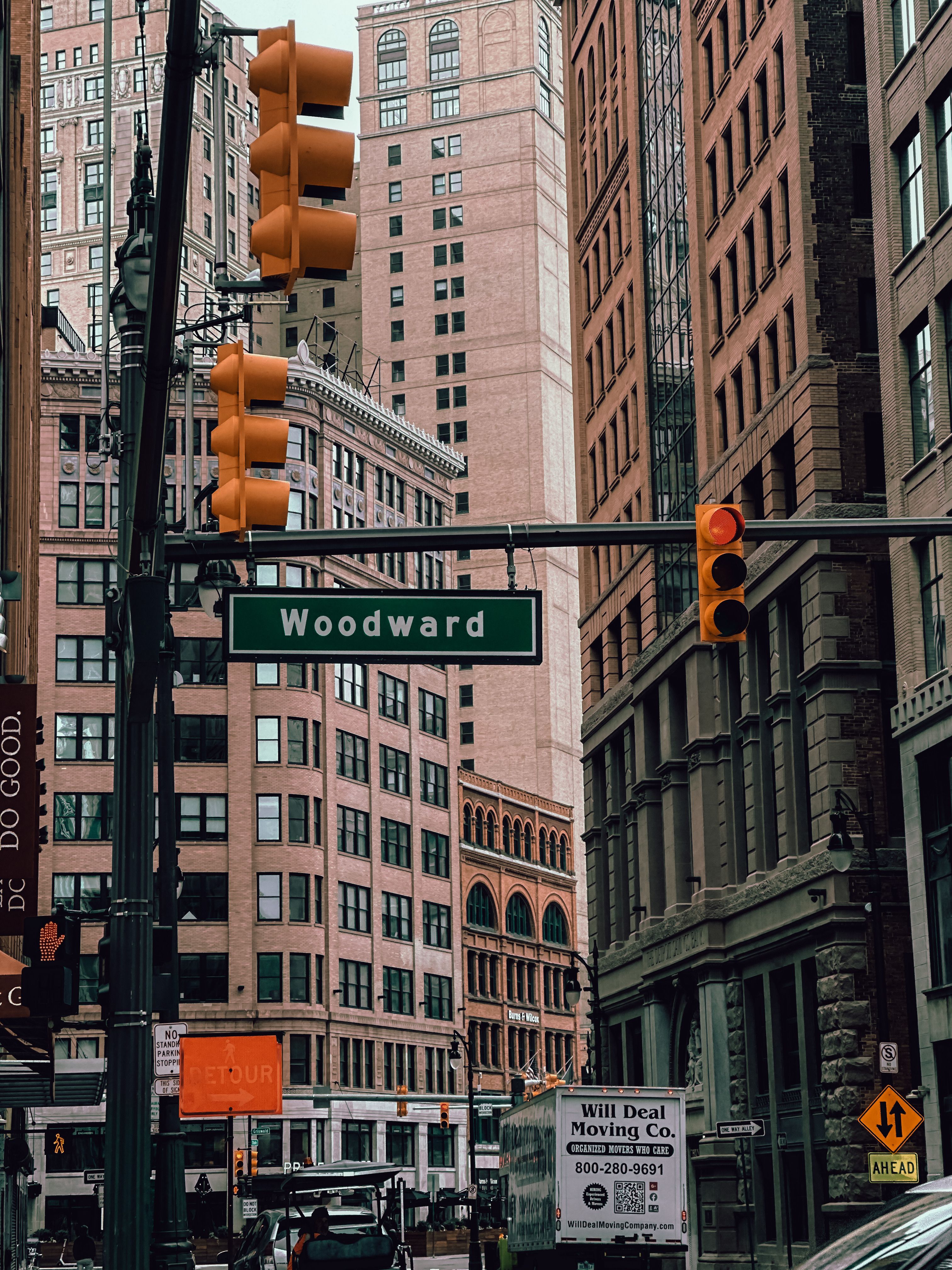

Detroit's transformation over the last decade has been impossible to ignore. New destinations, growing neighborhoods, major investments and renewed energy have reshaped how people experience the city. But what comes next?
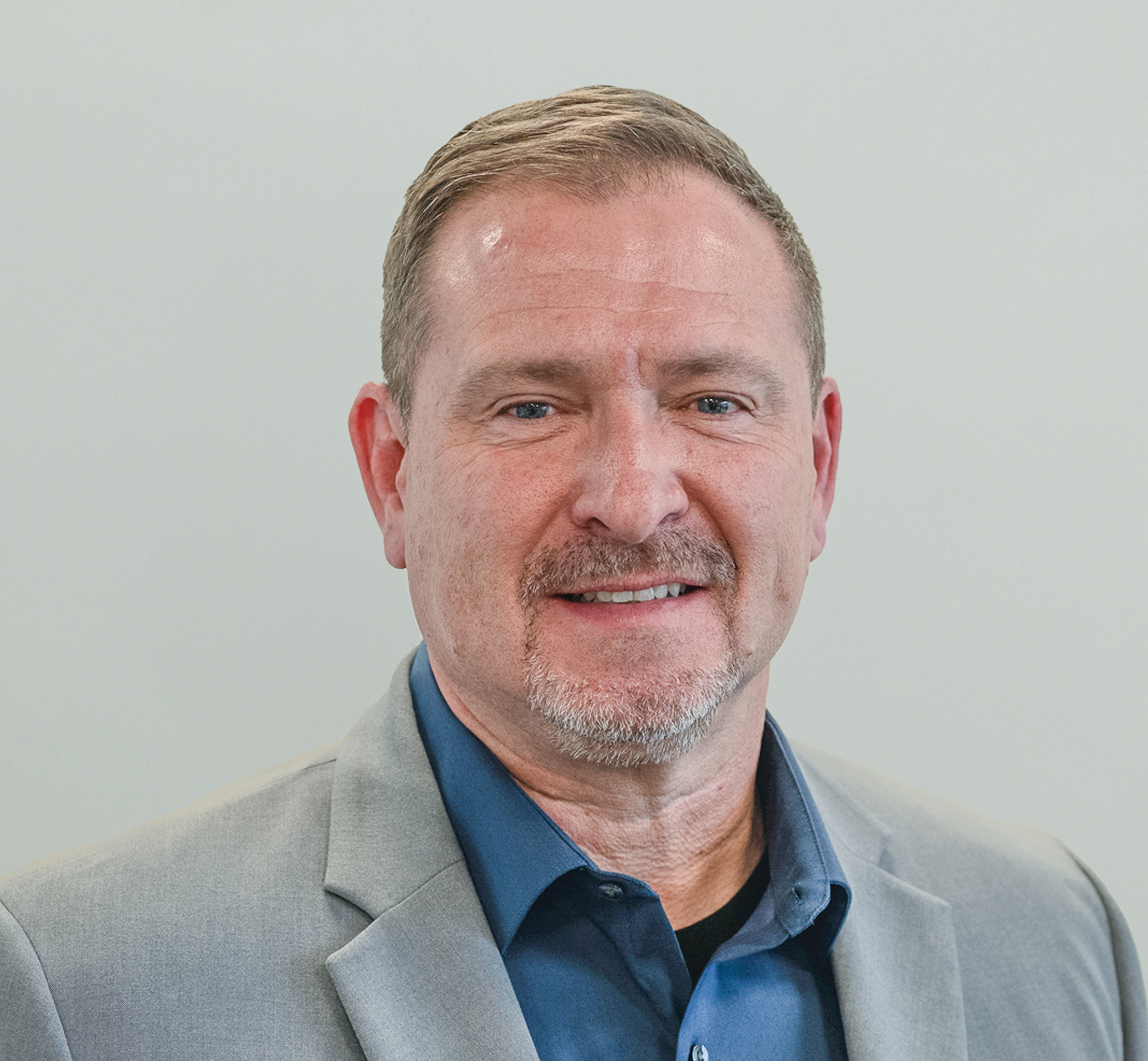
We sat down with Rockford Vice President of the Detroit Region, Tim Bryan, to discuss the forces driving Detroit's continued growth, the opportunities ahead and why he's optimistic about the city's future.
Building a City of Destinations
When Bryan reflects on Detroit today compared to five or ten years ago, one thing stands out: the emergence of places that bring people together.
"For a long time, many people came downtown for a game and then left," Bryan says. "Today, Detroit offers so much more. People stay for dinner, entertainment, cultural experiences and everything in between."
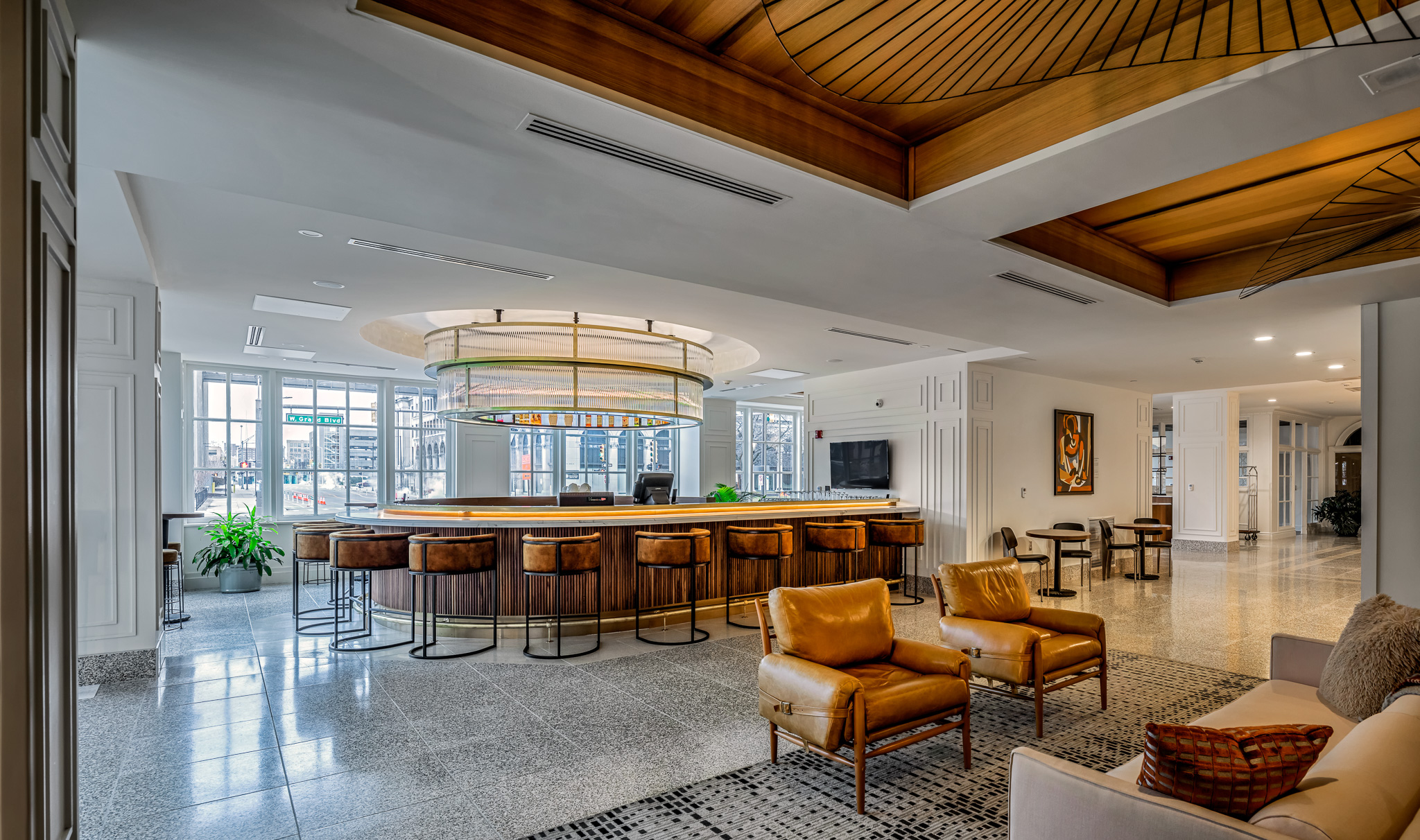
The growth of restaurants, entertainment venues and vibrant mixed-use districts has fundamentally changed the city's appeal. Bryan notes these destinations create energy, attract visitors and encourage people to spend more time downtown and throughout Detroit's neighborhoods.
"Places create optimism," Bryan says. "When people want to be somewhere, investment follows."
What's Driving Detroit's Growth?
According to Bryan, Detroit's recent investments have laid the groundwork for the next phase of growth.
Developments in areas like Corktown and the continued momentum surrounding Michigan Central have helped attract both businesses and residents. What began with investments in sports and entertainment has evolved, he believes, into something much larger: a city where people increasingly want to live, transforming into not only a destination to visit, but somewhere people want to call home.
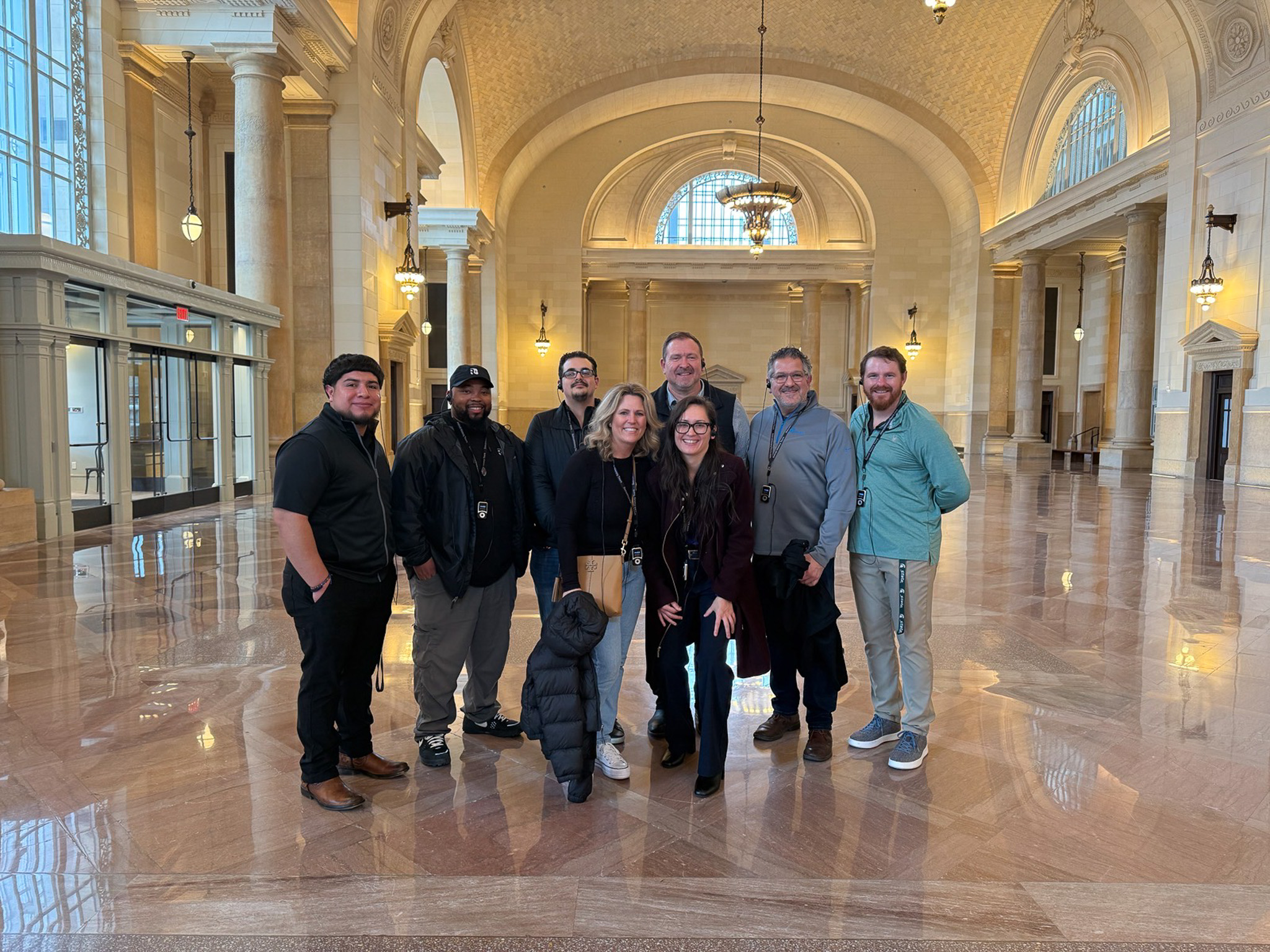
A key component of that evolution is housing. As more residents choose urban living, Bryan expects multi-unit development to remain a critical growth sector.
At the same time, he believes Detroit's continued growth depends on expanding the everyday amenities that support a thriving residential community.
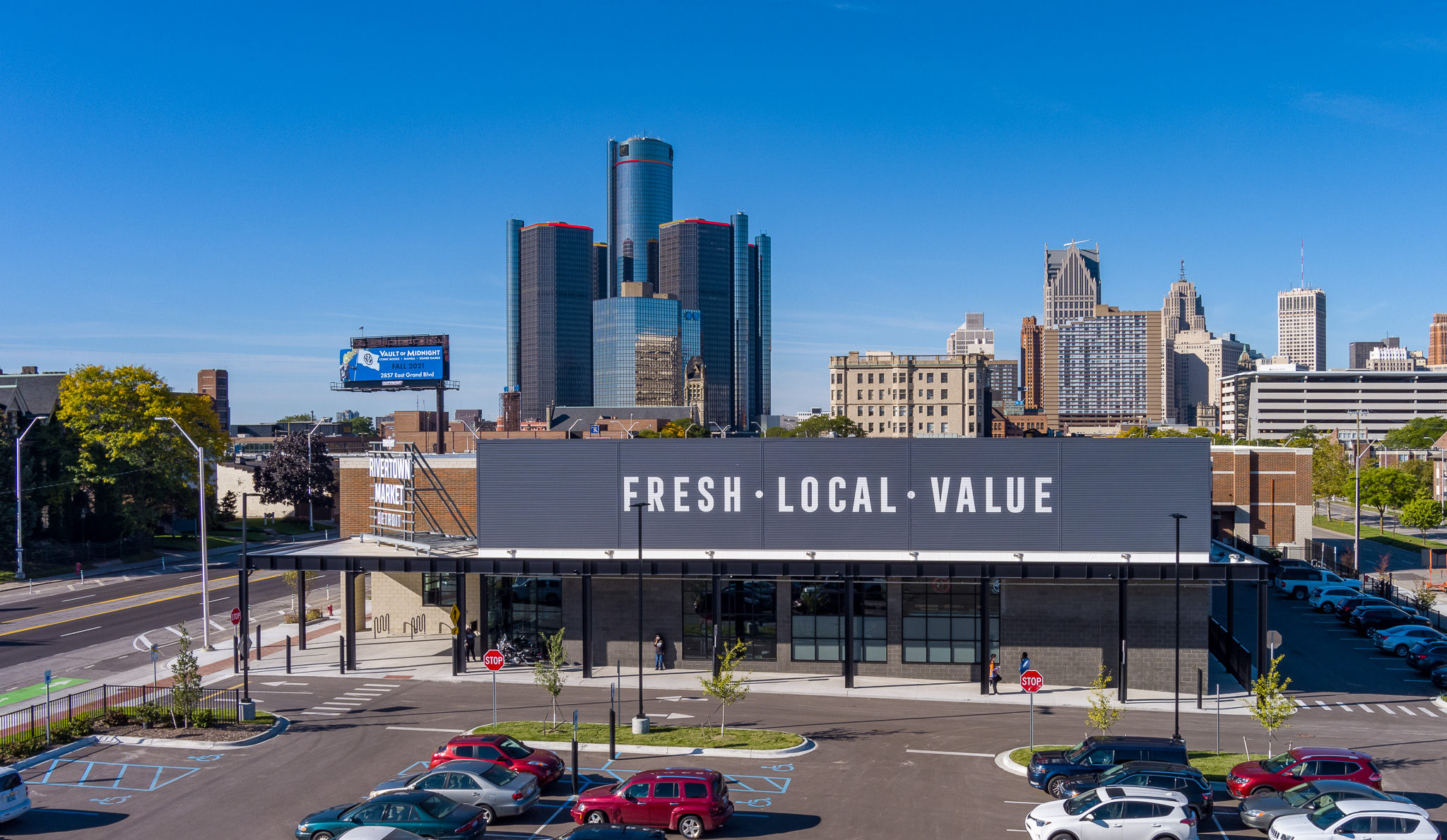
"We need more neighborhood services and conveniences, including grocery stores and other amenities that allow people to live, work and play in the city truly," Bryan says.
As Detroit continues to attract new residents, Bryan sees these quality-of-life investments as the next step in the city's evolution. By creating the conveniences and services people rely on every day, Detroit can further position itself as a place where individuals and families choose to build their lives, not just where they come to work, visit or be entertained.
A Competitive Advantage for the Future
Bryan sees two significant advantages positioning Detroit for long-term investment.
The first is talent.
Michigan's universities continue to produce highly skilled graduates, creating opportunities to retain young professionals and support business growth throughout the region. As companies evaluate where to grow and invest, access to a strong workforce remains one of the most important factors in their decision-making process.
"Businesses want access to talented people," Bryan says. "The ability to attract and retain that talent is critical."

Bryan believes Detroit is uniquely positioned to capitalize on this advantage. Continued investment in jobs, housing, entertainment and quality-of-life amenities can help encourage graduates and young professionals to build their careers in the city, creating a sustainable pipeline of talent that supports long-term economic growth.
The second opportunity lies along Detroit's waterfront.
While significant progress has been made along portions of the riverfront, Bryan believes tremendous untapped potential remains for future development.
"The riverfront is one of Detroit's greatest assets," he says. "There are incredible opportunities to continue building destinations and experiences that attract both residents and visitors."
From new public spaces and entertainment destinations to mixed-use development and enhanced connectivity between neighborhoods, Bryan sees the riverfront as a catalyst for future investment. Like other major waterfront cities that have transformed underutilized shorelines into vibrant community hubs, Detroit can leverage this natural asset to attract talent, support business growth and create memorable experiences for residents and visitors alike.
Sectors Poised for Growth
Looking ahead, Bryan expects healthcare to be one of the strongest growth sectors over the next decade.
"As our population ages, the demand for healthcare facilities and services will continue to increase," he says.
Beyond addressing growing patient needs, healthcare development also serves as a significant economic driver, creating jobs, attracting investment and supporting the long-term well-being of communities. As providers expand services and modernize facilities, Bryan anticipates continued opportunities for healthcare-related construction and development throughout the region.
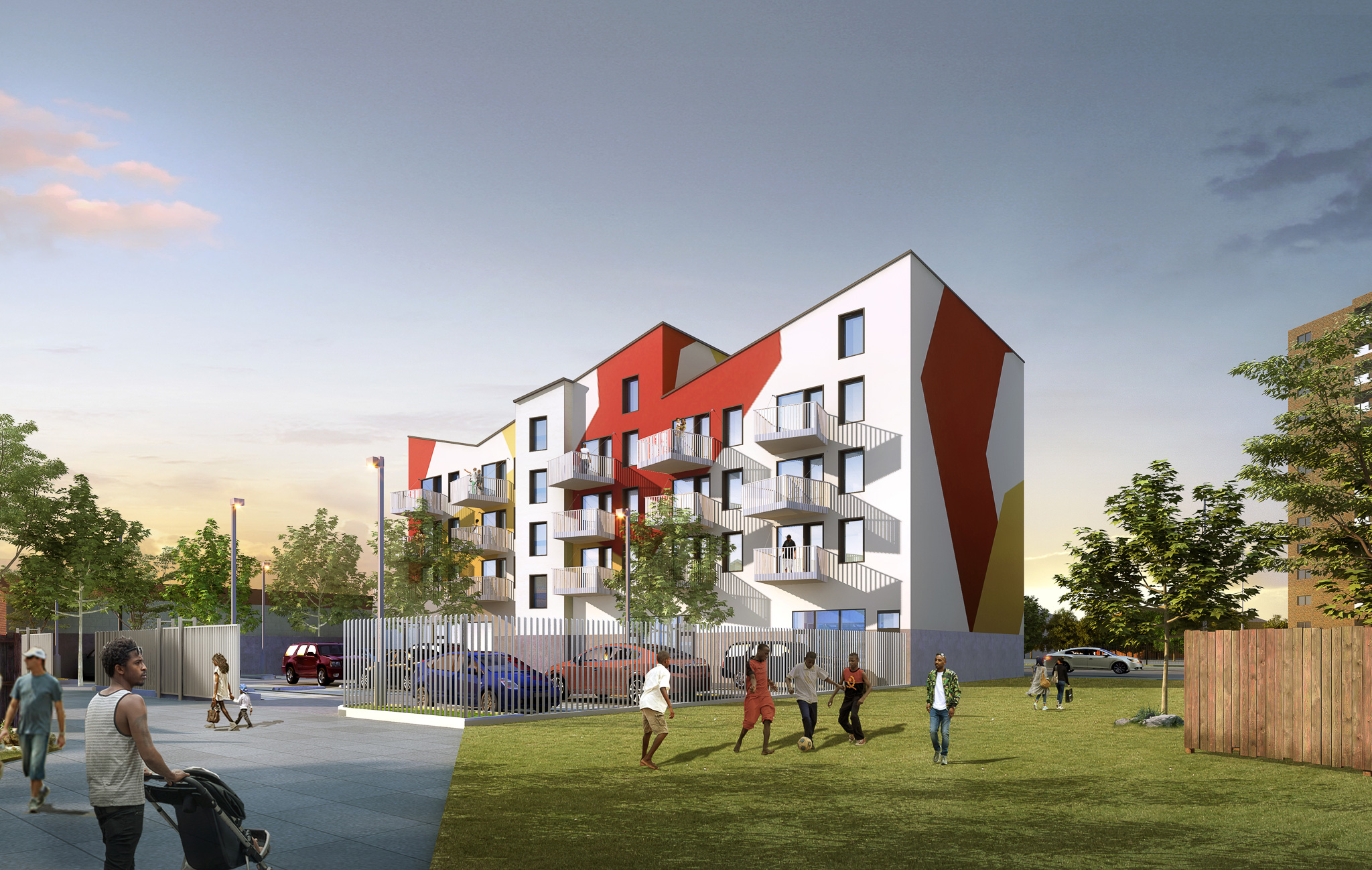
Housing will remain another focus area. As Detroit continues attracting residents, the need for quality multi-unit developments will grow alongside demand for supporting amenities and services.
Together, healthcare and housing represent two sectors that directly impact residents' quality of life while supporting Detroit's broader economic growth. As investment continues across both areas, Bryan sees an opportunity further to strengthen the foundation for a vibrant, thriving city.
The Role of Adaptive Reuse
Adaptive reuse and historic preservation are also playing an increasingly important role in Detroit's future.
Bryan points to several multi-unit adaptive reuse opportunities currently under consideration and believes the market will continue to embrace converting existing structures into vibrant new spaces.
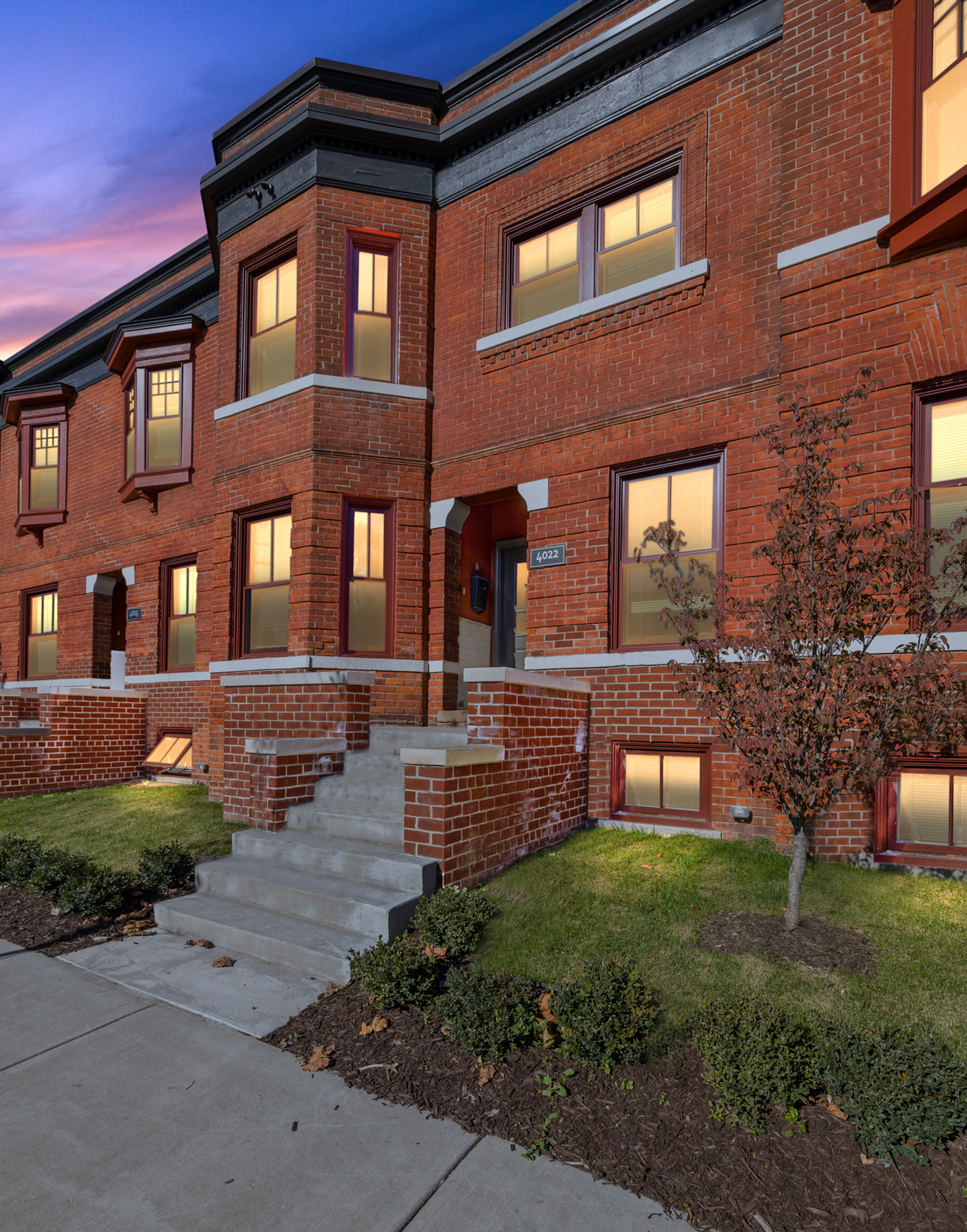
"Detroit has a rich architectural history," he says. "Repurposing existing buildings allows us to preserve that character while creating housing and new investment opportunities."
As more developers look to balance preservation with modernization, adaptive reuse is expected to remain an important part of the city's development strategy.
Creating Complete Communities
Recent projects have reinforced another important lesson about Detroit's future: successful cities require more than entertainment, housing and jobs.
They also need strong schools.
Rockford's work with Detroit Public Schools Community District has provided first-hand insight into the investments being made across the city's educational infrastructure, including new elementary schools designed to serve future generations.
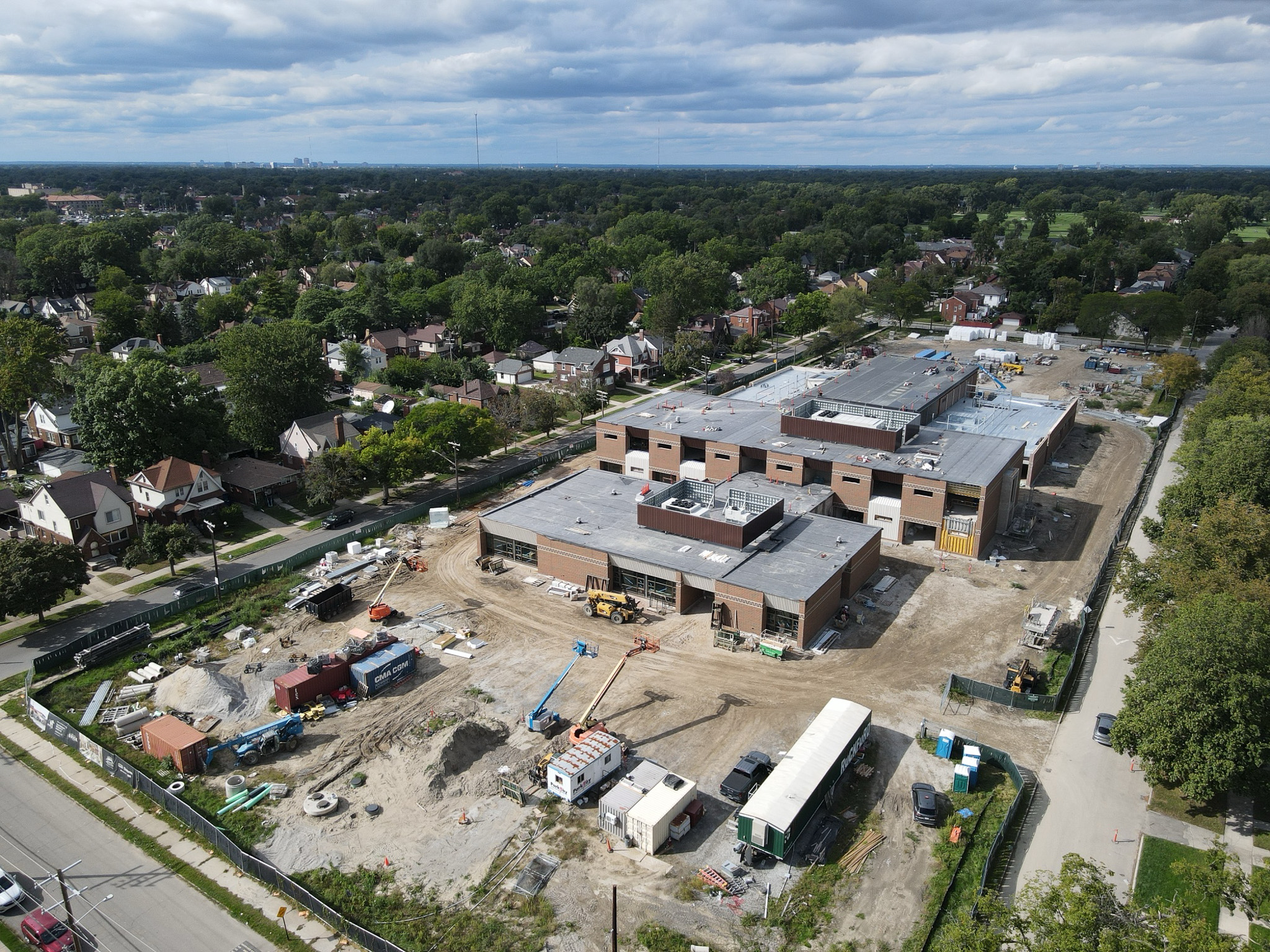
"The investments we're seeing in education are incredibly encouraging," Bryan says. "Strong schools are essential to creating vibrant communities where families can thrive."
For Bryan, these investments represent more than new buildings. They reflect a commitment to creating neighborhoods where families can put down roots with confidence. Quality schools help attract and retain residents, support local economies and contribute to the long-term health of communities.
As Detroit continues to evolve, Bryan believes education will remain a critical piece of the city's growth story. Improvements across the school system, combined with investments in housing, amenities and economic development, are helping create the conditions for sustainable success.
Together, quality schools, housing, jobs and neighborhood amenities create the foundation for communities where residents can live, work, play and raise families, making Detroit an increasingly attractive place not only to visit, but to call home.
Looking Ahead
For Bryan, Detroit's future is filled with opportunity.
From new housing and adaptive reuse projects to continued investment in education, healthcare, business development and public spaces, he sees momentum building across every corner of the city.
"There's a tremendous amount of investment happening in Detroit," Bryan says. "Developers continue to see opportunity here, and that's a strong sign for the future."
What excites him most is that Detroit's growth is becoming increasingly well-rounded. Investments are no longer concentrated in a single sector or neighborhood. Instead, they are reaching schools, healthcare facilities, housing developments, workplaces, entertainment destinations and community spaces that collectively strengthen the city's foundation.
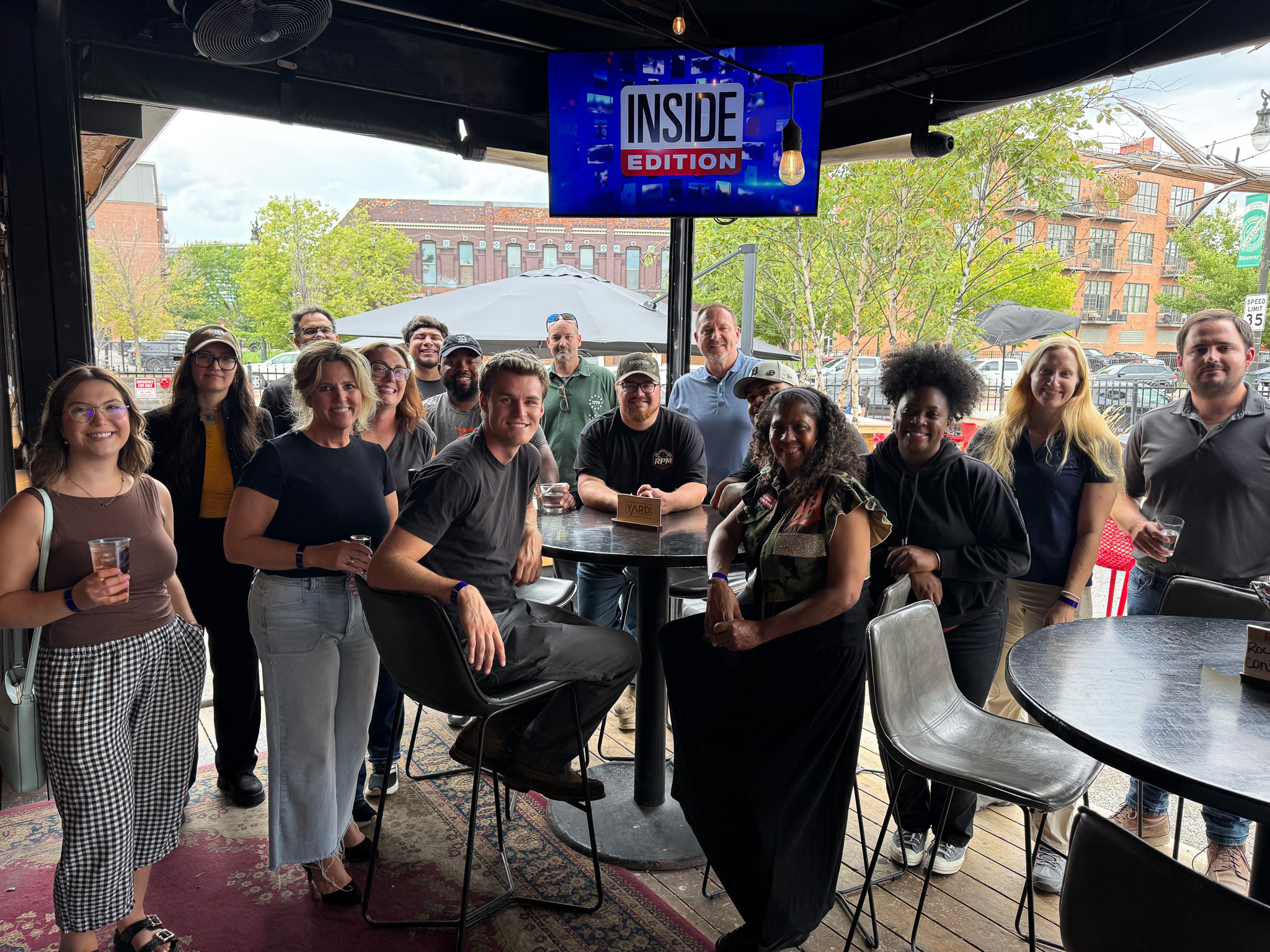
As more organizations, developers and public partners continue investing in Detroit, Bryan believes the city is creating the conditions necessary for long-term prosperity, attracting new residents, supporting businesses and fostering vibrant communities.
His outlook is simple: Detroit's best days are still ahead.
"As long as we continue creating places where people want to live, work and gather, Detroit will keep growing and prospering."
For Bryan, that's what makes this moment so exciting. The momentum is real, the opportunities are abundant and the investments being made today will help shape Detroit's next chapter for generations to come.
About Tim Bryan
As Vice President of Rockford’s Detroit Region, Tim Bryan brings more than 25 years of construction industry experience. His portfolio spans everything from tenant fit-outs and office renovations to large-scale, multi-phase developments throughout the region. Tim is committed to delivering successful outcomes while supporting Detroit's continued growth and development through his leadership of Rockford's Detroit office.