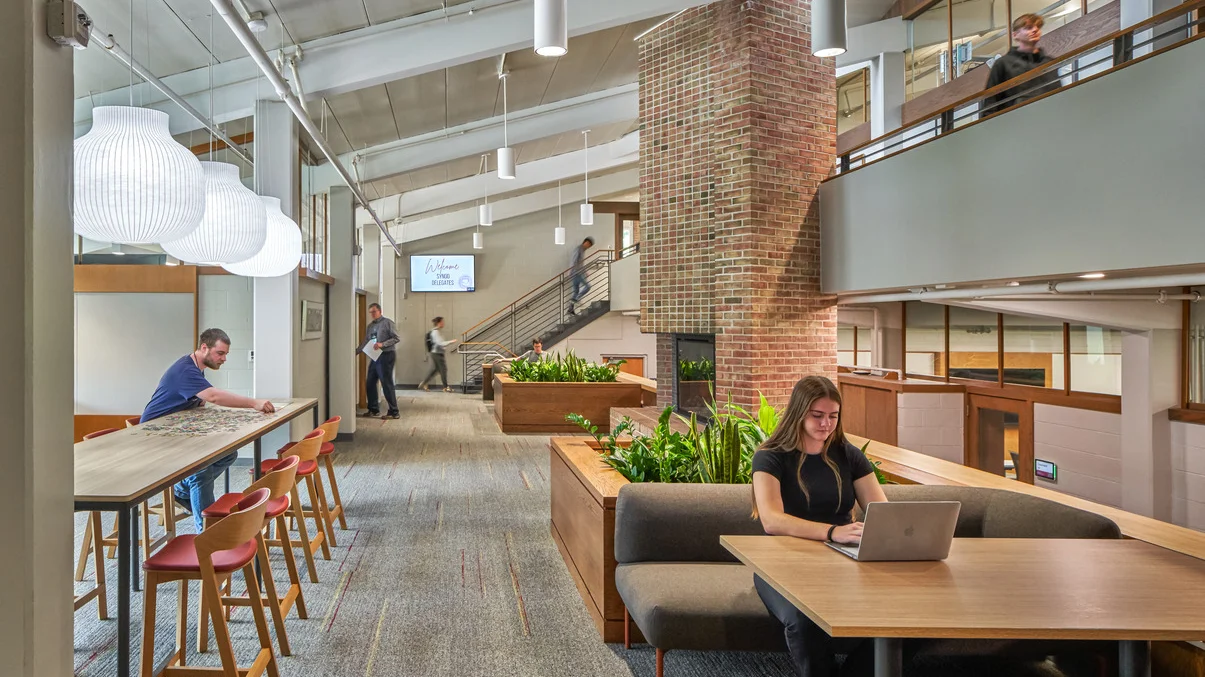

As Michigan’s higher education facilities leaders prepare for the upcoming MIAPPA Mission Critical Summit, it’s an opportune time to reflect on the challenges, and opportunities, reshaping campuses today. From evolving academic models to rising sustainability expectations, facilities directors play a critical role in ensuring campuses remain relevant, efficient and competitive.
Enrollment Pressure Is Reshaping Capital Decisions
Enrollment uncertainty is forcing institutions to evaluate capital investments differently. Facilities projects are being measured not only by cost, but by long-term institutional impact. Can a renovated space improve recruitment? Can an underused building support a new revenue stream? Can infrastructure investments reduce future operational risk? Every project is being asked to deliver more value, more flexibility and a clearer return over time.
Adaptive Reuse and Smarter Use of Space
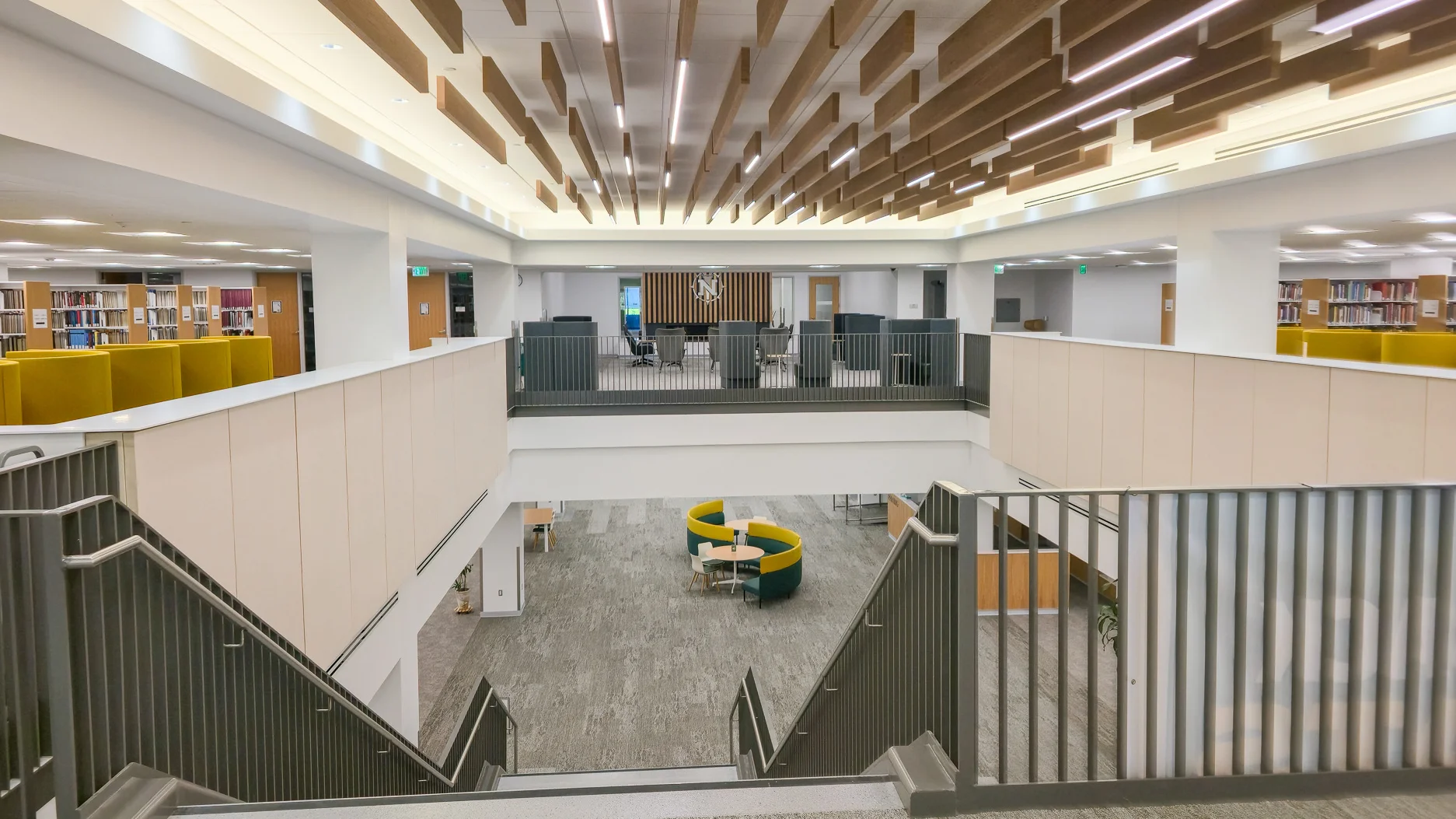
Institutions are taking a harder look at the spaces they already own and asking a critical question: Is this space still serving today’s students experience and supporting their programs?
Across higher education, adaptive reuse is transforming underutilized buildings into modern learning environments, housing and student-centered gathering spaces. Flexibility is also becoming essential. Spaces are expected to support multiple functions, adapt over time and maximize utilization without constant reinvestment. For facilities leaders, the conversation is shifting from expansion to optimization: getting more strategic value out of every square foot on campus.
The Rise of Career-Ready, Student-Centered Campuses
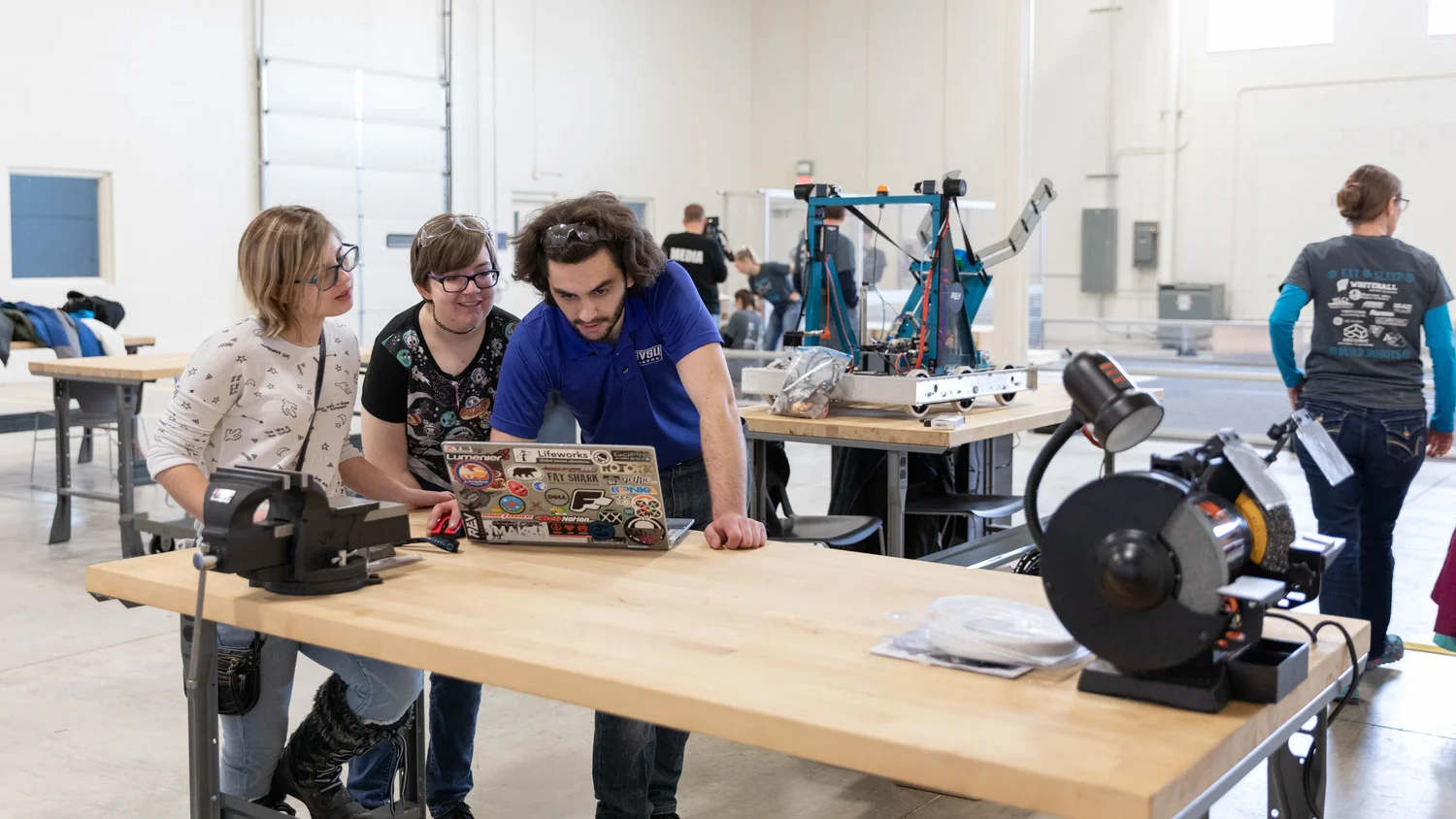
Today’s students expect campuses to support both learning and outcomes. That shift is driving demand for hands-on, career-focused environments like maker spaces, technical labs and immersive learning settings designed to mirror real-world experiences. But academic space is only part of the equation.
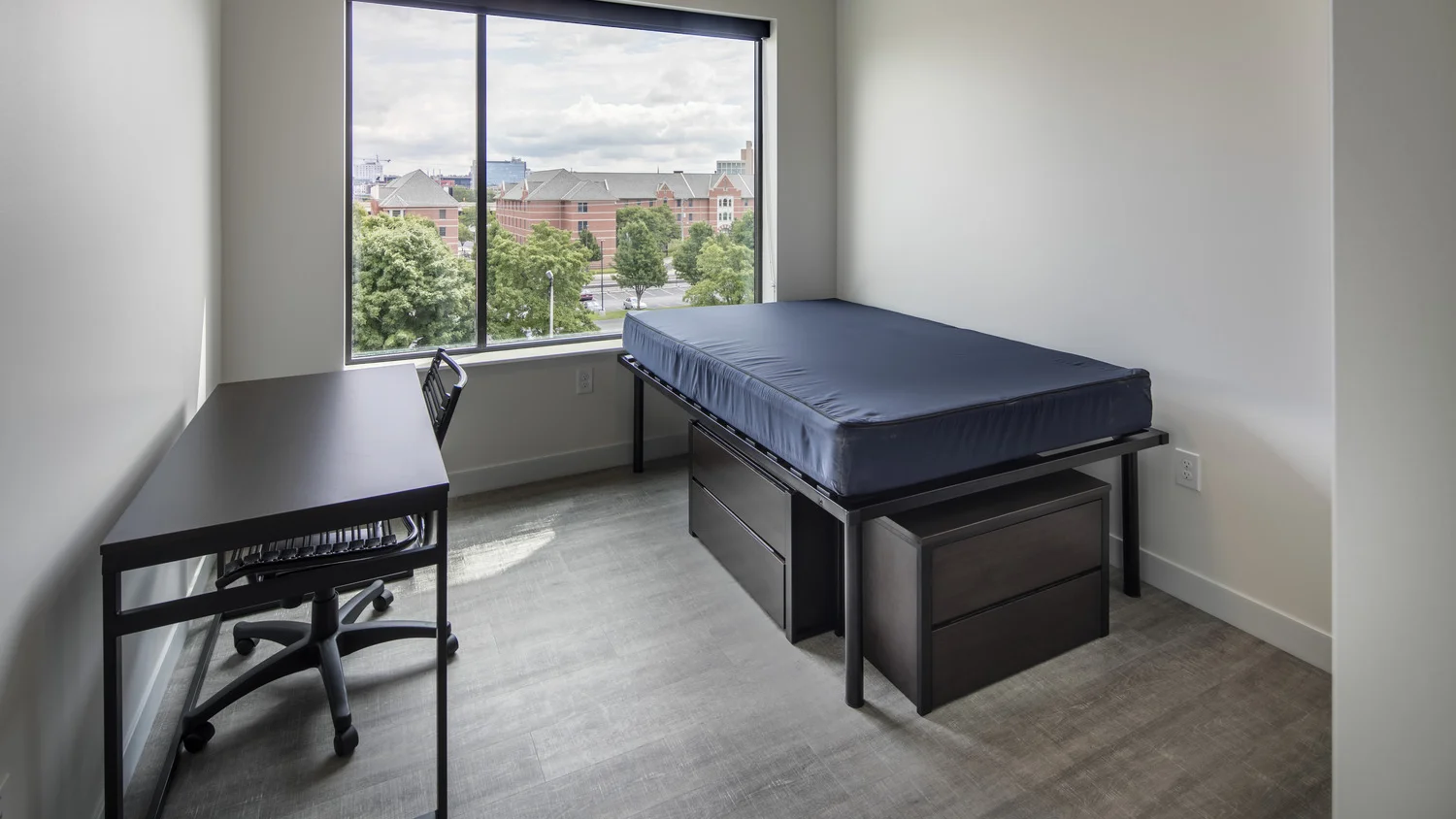
Housing, wellness, dining, and social spaces continue to influence recruitment, retention and overall student satisfaction. Facilities decisions increasingly shape how students experience campus and whether they see themselves staying there.
Energy, Decarbonization and Infrastructure Pressure
Energy management has moved from a long-term sustainability conversation to an immediate operational priority. As research activity grows and technologies like AI place heavier demands on campus systems, institutions need a clearer understanding of where energy is being consumed and where infrastructure is under strain.
We know that more than 50% of public higher education institutions alter their master plan based on energy consumption. Identifying these energy hogs is often the starting point, followed by investments in smarter systems, electrification and phased decarbonization strategies. The institutions making the most progress are balancing three priorities at once: operational performance, financial reality and long-term sustainability goals.
A Practical Path Forward
The scope of these challenges can feel significant, but many institutions are finding success through focused, strategic investment rather than large-scale expansion.
At Rockford, we partner with higher education institutions to deliver complex projects in active campus environments, from technical learning spaces to adaptive reuse and infrastructure improvements. That means navigating tight timelines, occupied buildings and evolving stakeholder needs while minimizing disruption to campus operations.
We also help institutions explore alternative delivery approaches, including public-private partnerships, when traditional funding or delivery models fall short.
The Factor At Its Core: Making an Impact
Facilities leaders are no longer just managing buildings. They are helping shape the future competitiveness, efficiency and student experience of their institutions. They’re at the forefront of institutional transformation, turning infrastructure into advantages.
The campuses best positioned for the future will be the ones making intentional decisions now: using space more strategically, modernizing infrastructure thoughtfully and creating environments that support both institutional goals and student success.